




- HR teams struggle more with coordination than workload
- Disconnected systems slow down employee management and decision making
- HRMS platforms like Synclo help manage people through connected workflows
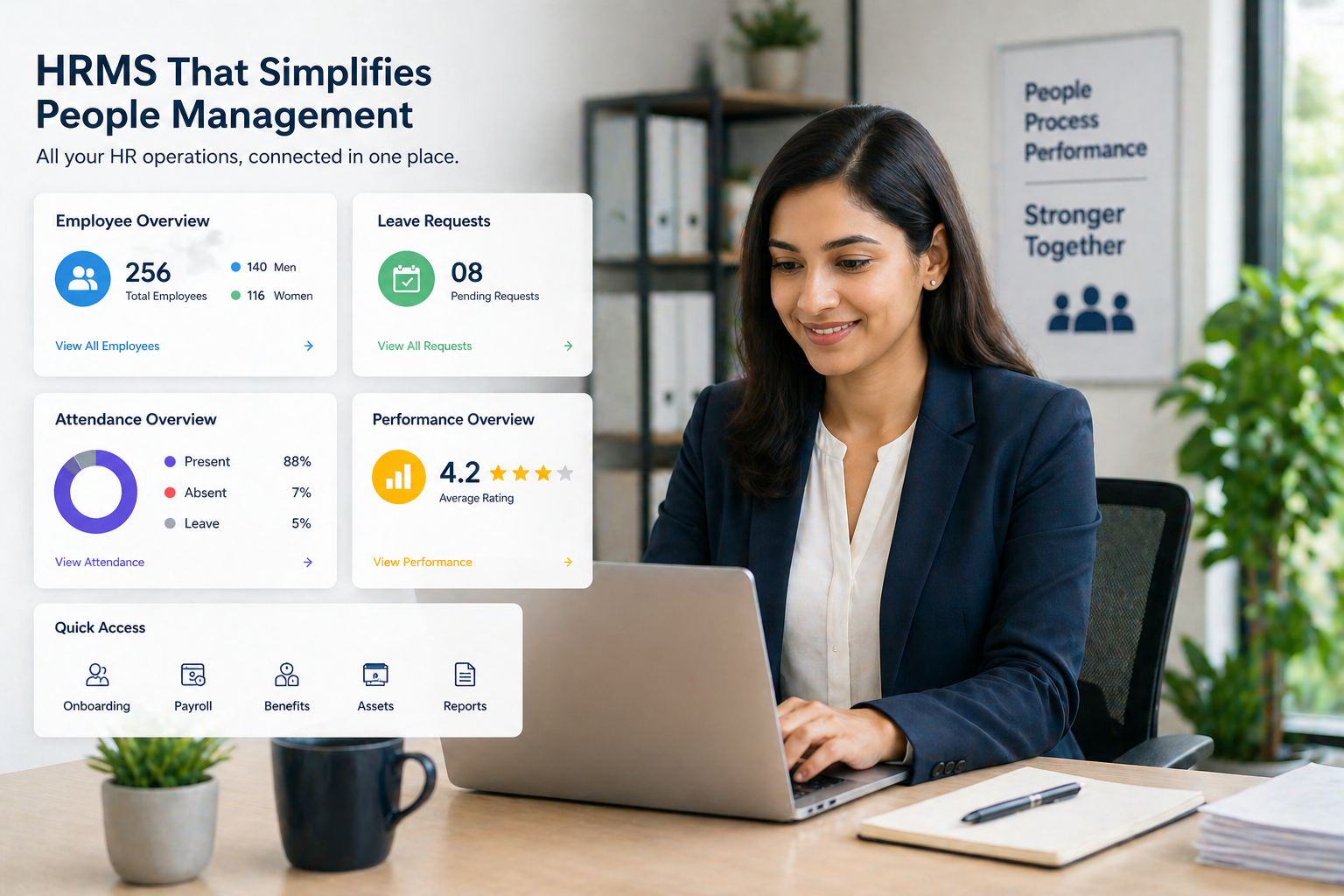
Managing people has become more complex as organizations scale. It is no longer limited to hiring, payroll, and attendance. HR teams now handle onboarding, performance tracking, employee engagement, compliance, and internal communication, all at the same time.
The problem is not the number of responsibilities. It is how these responsibilities are managed. Most HR teams still operate across multiple systems that do not connect with each other. Data is scattered, processes are delayed, and decisions take longer than they should.
As companies grow, these gaps become more visible. Tasks that once felt manageable start to slow down the entire system. What worked for a smaller team begins to fail under scale.
HR Operations Are Expanding Without Structure
In many organizations, HR processes evolve over time without a clear structure. New tools are added to solve specific problems, but they rarely connect with existing systems. This creates a patchwork of workflows that depend heavily on manual effort.
Employee data may exist in one system, payroll in another, and performance tracking somewhere else. HR teams spend a significant amount of time switching between tools just to complete basic tasks. This reduces efficiency and increases the chances of error.
Over time, the focus shifts from managing people to managing systems.
Where Delays Start to Affect Employees
The impact of disconnected HR systems is not always obvious at first. It builds gradually through small delays and inconsistencies that affect the employee experience.
An onboarding process takes longer because information is not shared across teams. A leave request is delayed because approvals are not visible in real time. Payroll issues arise because data is not updated consistently.
These issues often show up as:
- Delays in onboarding new employees
- Errors in payroll or attendance tracking
- Lack of visibility into employee performance and progress
Each issue may seem minor, but together they affect how employees experience the organization.
Visibility Is the Core Problem in HR
Most HR teams do not lack data. They lack visibility.
Information exists, but it is spread across systems, making it difficult to use effectively. Without a clear view of employee data, decision making becomes slower and less reliable.
Managers may not have real time access to performance data. HR teams may struggle to track employee progress across departments. Leadership may not have accurate insights into workforce trends.
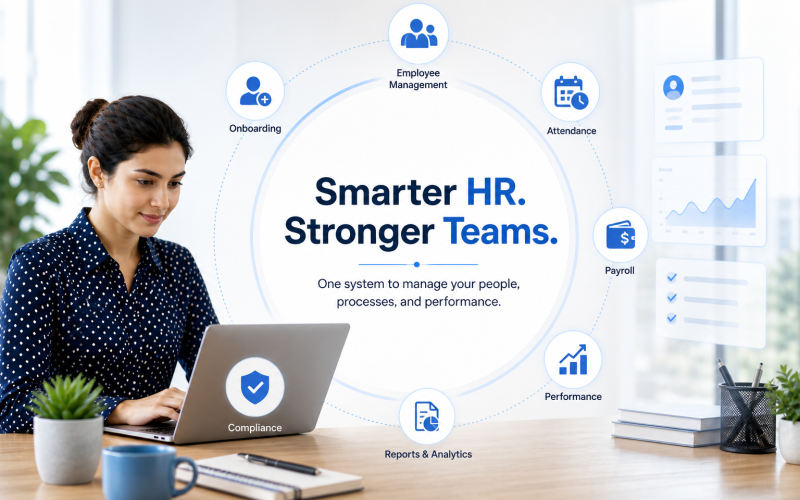
A connected HR management system solves this by creating a single source of truth. When data is centralized, teams can access the information they need without delays.
Synclo supports this by bringing employee data, workflows, and reporting into one system, reducing the need for manual coordination.
Manual Processes Limit HR Efficiency
Many HR processes still rely on manual steps. Approvals are handled through messages, updates are entered manually, and reports are created after the fact.
This slows down operations and creates unnecessary dependencies. Tasks cannot move forward until someone takes action. This increases workload and reduces overall efficiency.
Automation changes this by allowing processes to continue without constant input.
With a structured system, HR teams can:
- Approve requests through defined workflows
- Update employee records automatically
- Track changes without manual reporting
This reduces delays and allows teams to focus on higher value tasks instead of routine administration.
HR Needs to Connect With the Rest of the Business
HR does not operate in isolation. It is closely connected to operations, finance, and overall business performance.
Hiring affects team capacity. Payroll affects financial planning. Performance tracking affects productivity. When these functions are not aligned, the entire organization feels the impact.
This is why businesses are moving toward ERP HRMS combined systems that connect HR with other departments.
Synclo enables this by integrating HR workflows with broader business operations, allowing decisions to be made with full context instead of partial data.
Scaling HR Without Increasing Complexity
As organizations grow, HR systems need to handle more employees, more data, and more processes. Without the right structure, this leads to confusion and inefficiency.
More tools do not solve this problem. They often make it worse by adding more layers to manage.
A scalable HRMS software ensures that processes remain consistent as the organization expands. It provides a clear structure for managing employee data, workflows, and reporting across all levels.
Synclo supports this by offering a unified platform that adapts to growth without creating additional complexity.
What Efficient HR Management Looks Like
When HR systems are properly connected, the difference is clear. Processes move without delays, data is accessible when needed, and teams spend less time managing systems.
Employees experience faster responses, clearer communication, and more consistent processes. Managers have better visibility into performance and can make decisions with confidence.
HR becomes less about administration and more about enabling the organization to function effectively.
This shift is not about adding new tools. It is about creating systems that connect everything together. Businesses that move in this direction are able to manage people more efficiently and support growth without slowing down.
