


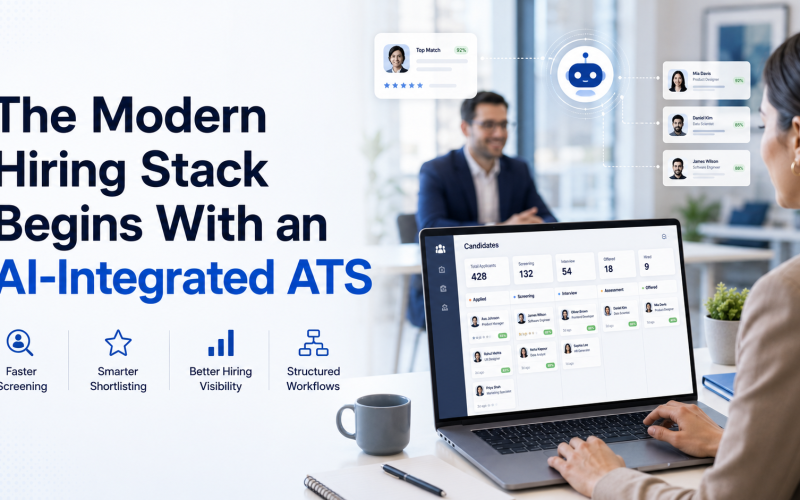
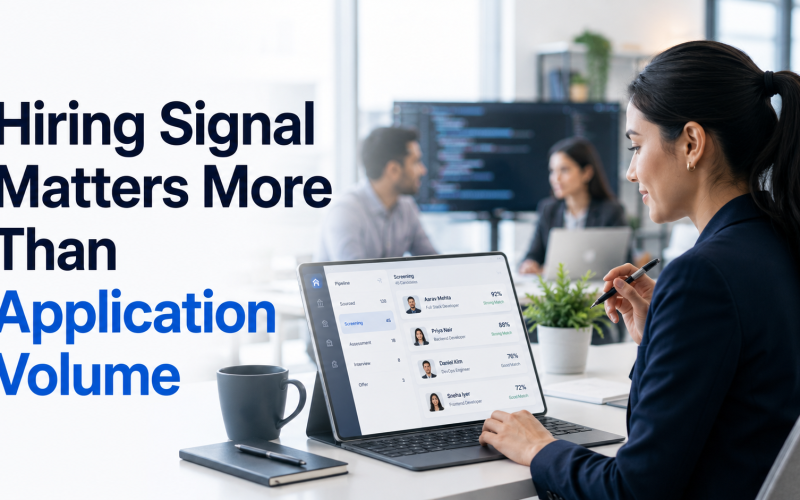
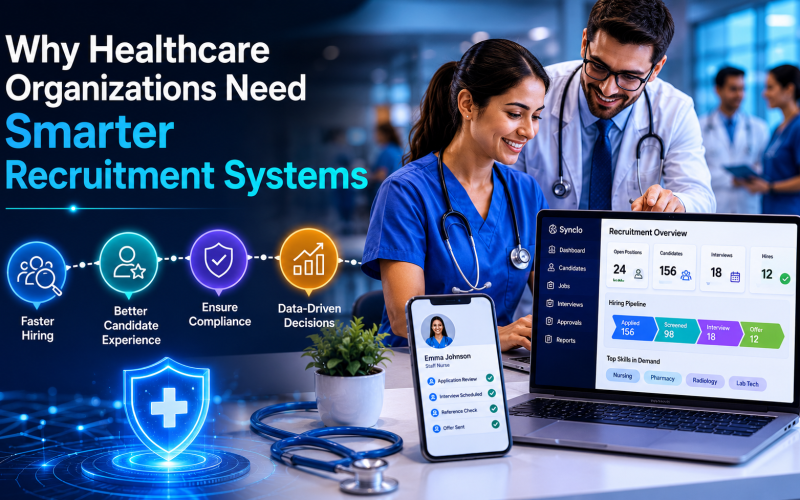



- Manufacturing companies struggle to hire skilled workers fast enough to meet operational demand
- Manual recruitment processes slow down hiring and reduce workforce visibility
- Systems like Synclo help manufacturers manage hiring through structured recruitment workflows
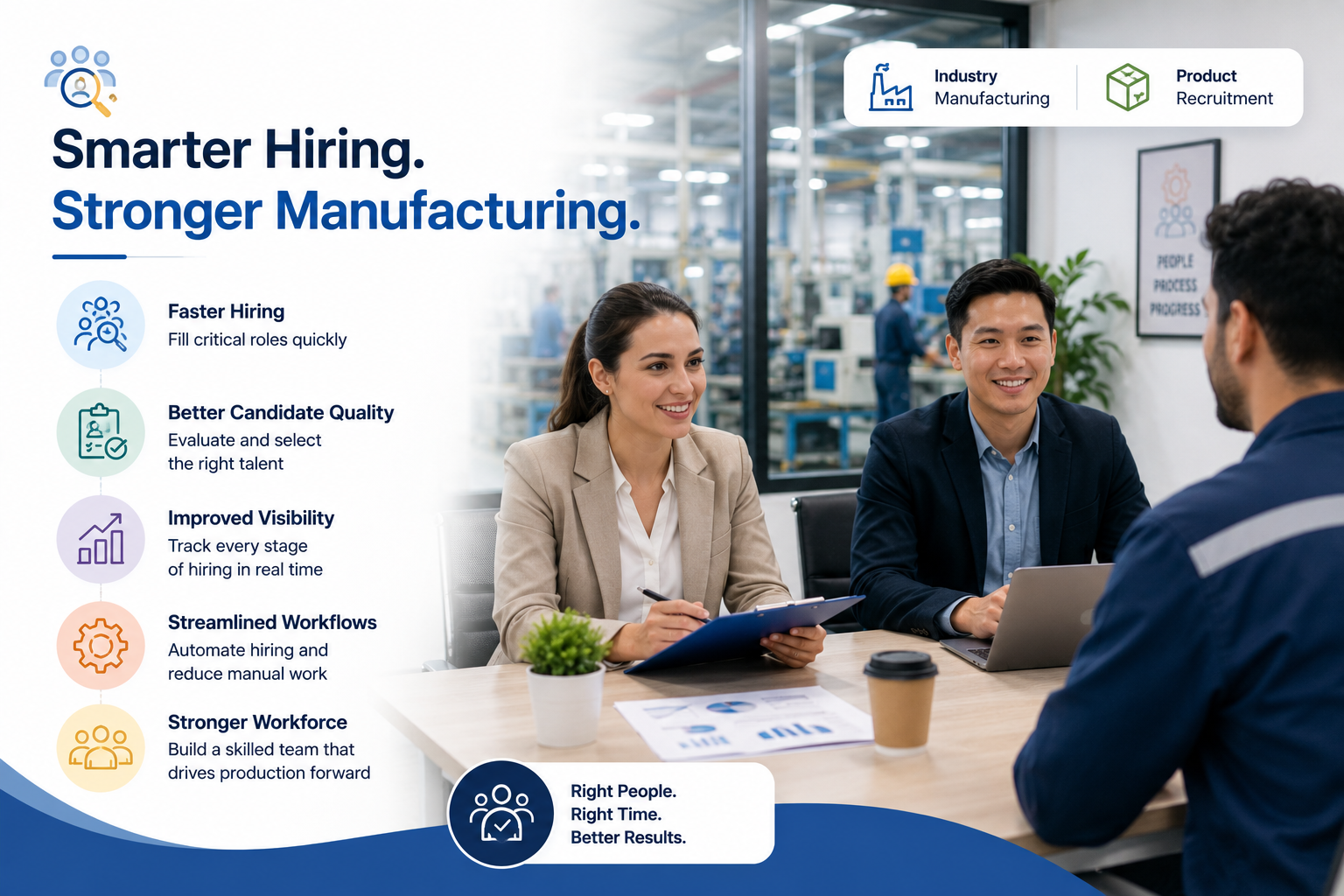
Manufacturing businesses depend heavily on workforce availability. Production timelines, warehouse operations, maintenance schedules, and quality control all rely on having the right people in the right roles at the right time. However, many manufacturers still manage recruitment through disconnected processes that make hiring slower and more difficult to control.
The issue is no longer just finding candidates. The larger challenge is managing recruitment efficiently across multiple roles, locations, and operational requirements. As manufacturing operations expand, recruitment teams often struggle to maintain visibility into applications, interview progress, approvals, and onboarding workflows. This creates delays that directly affect production capacity and operational continuity.
Many manufacturing companies still rely on spreadsheets, emails, and separate communication tools to manage recruitment. While these methods may work at a smaller scale, they become difficult to maintain as hiring volume increases. Teams spend time manually tracking applications, coordinating interviews, and updating hiring records instead of focusing on workforce planning and candidate evaluation. Over time, these inefficiencies slow down hiring and create operational gaps across production teams.
Manufacturing Recruitment Requires Speed and Accuracy
Manufacturing environments move quickly, especially during production peaks or expansion periods. Hiring delays can affect schedules, increase overtime pressure, and reduce operational efficiency across departments. Recruitment teams need systems that allow them to move candidates through the hiring process without unnecessary delays.
However, many organizations still lack real time visibility into recruitment activity. Managers may not know which roles are pending approval, which candidates are waiting for interviews, or how long positions have remained open. This limits the ability to respond quickly when workforce demand increases.
This often leads to:
- Delays in filling critical operational roles
- Limited visibility into recruitment pipelines
- Inconsistent communication between HR and department managers
A connected recruitment management system helps reduce these gaps by centralizing applications, interview workflows, approvals, and hiring progress into one environment. Synclo supports this by helping recruitment teams track hiring activity in real time instead of relying on fragmented updates.
Hiring Skilled Labor Requires Better Visibility
Manufacturing recruitment often involves specialized technical roles that require certifications, operational experience, or equipment knowledge. Tracking these requirements manually becomes difficult when hiring volume increases.
Without structured recruitment workflows, HR teams may struggle to filter candidates effectively or maintain accurate hiring records. Managers may need to review information repeatedly because data is spread across multiple systems or conversations.
A connected applicant tracking system improves visibility by organizing candidate information, recruitment stages, and evaluation records within one structured workflow. This allows HR and operational teams to coordinate hiring decisions more efficiently while maintaining consistency across recruitment processes.
Recruitment and Operations Need Stronger Alignment
In manufacturing environments, recruitment decisions directly affect production operations. Workforce shortages impact timelines, shift planning, and operational output. However, recruitment teams and operational managers often work separately, which creates communication gaps during hiring cycles.
Operations teams may not have visibility into recruitment progress, while HR teams may not fully understand production urgency or workforce priorities. This disconnect slows down decision making and creates delays that affect manufacturing performance.
Modern manufacturers are moving toward:
- Unified recruitment and workforce management systems
- Centralized hiring workflows and approvals
- Connected HR and operational planning environments
The goal is to ensure that recruitment activity aligns directly with operational demand. Synclo supports this by connecting recruitment workflows with workforce planning and organizational operations.
Manual Hiring Processes Reduce Efficiency
Many manufacturing companies still manage hiring through manual coordination. Applications are reviewed individually, interview scheduling depends on emails or calls, and approvals often require multiple follow ups.
These manual processes create bottlenecks that slow hiring speed significantly. Even qualified candidates may experience delays because workflows are not structured properly. In competitive labor markets, these delays increase the risk of losing skilled candidates to faster-moving employers.
Automation improves recruitment efficiency by allowing workflows to move automatically between stages. Interview scheduling, candidate updates, approval routing, and onboarding preparation can happen through structured workflows instead of repeated manual coordination. This reduces delays while improving consistency across the hiring process.
Scaling Manufacturing Operations Requires Structured Recruitment Systems
As manufacturing businesses grow, workforce requirements become more complex. More facilities, more production lines, and more operational roles increase hiring demand across the organization. Without structured recruitment systems, maintaining hiring consistency becomes increasingly difficult.
A scalable recruitment software platform helps manufacturers manage growth without losing visibility into hiring activity. Teams need systems that support workforce planning, recruitment coordination, and onboarding through one connected environment. Synclo supports this by providing a unified platform where recruitment workflows, workforce planning, and operational coordination function together instead of separately.
When recruitment systems are connected, manufacturing organizations gain better control over workforce planning. HR teams can track hiring progress clearly, operational managers gain visibility into staffing activity, and candidates move through recruitment faster. Strong manufacturing performance depends not only on equipment and production capacity but also on how efficiently businesses can attract and onboard the workforce required to support operations. Companies that improve recruitment structure are able to scale more effectively while maintaining operational continuity.
