


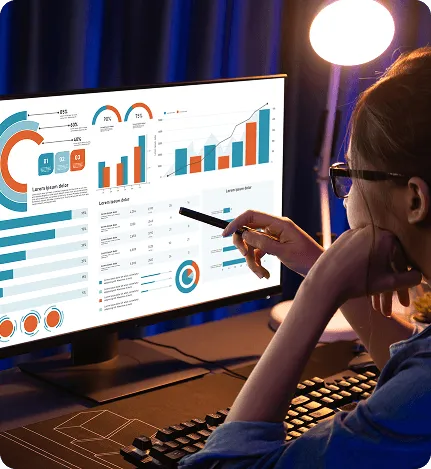



Introduction: Rethinking Workforce Management in Modern Enterprises
Workforce management is no longer confined to attendance tracking, payroll processing, and administrative HR tasks. In today’s digital-first business environment, organizations are shifting toward intelligent HRMS and workforce management systems that enable strategic talent planning, real-time workforce insights, and seamless employee lifecycle management.
As businesses expand across regions, adopt hybrid work models, and compete for top talent globally, traditional HR practices have become inefficient and fragmented. The modern workforce demands flexibility, transparency, and digital accessibility, while leadership requires actionable data to make informed decisions. This dual expectation has accelerated the adoption of advanced HRMS software designed to centralize workforce operations and enhance organizational agility.
The Evolution of HRMS: From Administrative Tool to Strategic System
Historically, HR systems were primarily designed for record-keeping and compliance. These legacy systems focused on storing employee data rather than generating meaningful insights. However, the evolution of HR technology has transformed HRMS platforms into strategic workforce intelligence systems.
Modern HRMS solutions now support:
- Employee lifecycle management
- Workforce analytics and reporting
- Performance tracking and development
- Automated payroll and compliance
- Employee self-service portals
When embedded within integrated digital ecosystems like Synclo, workforce data becomes part of a broader operational intelligence framework, enabling organizations to align HR strategy with business performance.
Digital HR Transformation and Organizational Agility
Digital HR transformation is a critical component of enterprise modernization. Companies that rely on manual HR processes often face inefficiencies, delayed decision-making, and compliance risks. In contrast, organizations adopting intelligent workforce management systems gain the ability to automate workflows, monitor workforce trends, and optimize resource allocation.
Modern HRMS platforms empower HR teams to:
- Automate onboarding and offboarding workflows
- Centralize employee documentation
- Monitor attendance and productivity metrics
- Generate real-time workforce reports
This transformation allows HR departments to transition from administrative support functions to strategic business partners.
Enhancing Employee Lifecycle Management Through Automation
One of the most impactful capabilities of modern workforce management systems is end-to-end employee lifecycle automation. From recruitment and onboarding to performance evaluation and retention strategies, HRMS platforms create structured and consistent employee experiences.
Automated onboarding systems streamline documentation, role assignments, and training processes, ensuring that new hires integrate quickly into organizational workflows. Performance management tools provide continuous feedback loops, enabling managers to track progress, set measurable goals, and identify development opportunities.
In intelligent environments where workforce data is interconnected with operational systems such as Synclo, leadership gains a unified view of employee performance, operational output, and organizational growth metrics.
Data-Driven Workforce Planning and Analytics
Strategic workforce planning has become a data-intensive process. Organizations must anticipate workforce demands, skill gaps, and organizational restructuring needs in real time. HRMS systems equipped with advanced analytics provide predictive insights that support proactive workforce decisions.
Key analytical capabilities include:
- Attrition and retention analysis
- Workforce productivity tracking
- Departmental performance insights
- Skills gap identification
These insights help organizations build resilient workforce strategies while reducing hiring inefficiencies and operational disruptions.
Employee Experience as a Competitive Advantage
Employee experience has emerged as a defining factor in organizational success. Modern employees expect digital access to HR services, transparent communication, and flexible engagement tools. HRMS platforms with employee self-service functionalities significantly enhance engagement and satisfaction.
Self-service portals allow employees to:
- Apply for leave
- Access payroll information
- Update personal records
- Track performance reviews
This level of accessibility reduces HR workload while fostering a culture of transparency and autonomy.
Compliance, Security, and Risk Management in HR Systems
Compliance management is one of the most complex aspects of workforce administration. Labor laws, tax regulations, and organizational policies require accurate record-keeping and timely reporting. Automated HRMS systems mitigate compliance risks by maintaining structured records and generating audit-ready documentation.
Additionally, modern HR platforms incorporate data security protocols that protect sensitive employee information, ensuring regulatory compliance and organizational trust.
The Role of AI and Intelligent Automation in HRMS
Artificial intelligence is redefining workforce management by introducing predictive analytics, intelligent workforce forecasting, and automated decision support. AI-driven HR systems can analyze employee behavior patterns, predict turnover risks, and recommend engagement strategies.
Integrated AI environments, including platforms like Synclo, further enhance HR intelligence by connecting workforce data with operational and financial insights, enabling holistic organizational decision-making.
The Future of Workforce Management Systems
The future of HRMS and workforce management lies in intelligent automation, predictive analytics, and unified digital ecosystems. Organizations are increasingly adopting scalable HR technologies that support remote work, global teams, and dynamic workforce structures.
Emerging trends include:
- AI-powered workforce forecasting
- Real-time employee engagement analytics
- Skills-based workforce planning
- Intelligent performance management systems
These innovations will redefine how organizations attract, manage, and retain talent in the digital era.
Conclusion: Workforce Intelligence as a Strategic Imperative
Modern HRMS and workforce management systems are transforming HR from a reactive administrative function into a strategic pillar of organizational growth. By integrating automation, analytics, and employee-centric tools, businesses can enhance workforce efficiency, engagement, and long-term sustainability.
As enterprises continue embracing digital transformation, intelligent workforce systems integrated within broader operational ecosystems like Synclo provide a competitive advantage by aligning talent strategy with business objectives. The future of workforce management is not just digital — it is intelligent, data-driven, and strategically integrated.
