


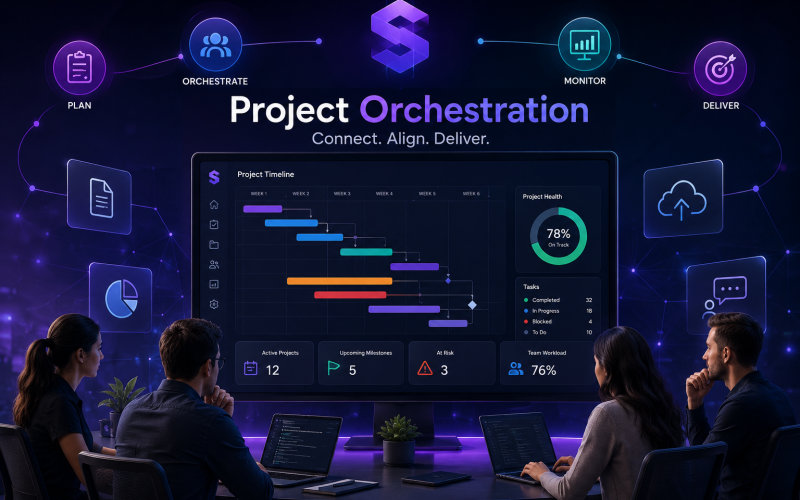



- Non-profit organizations struggle when programs, donations, and reporting operate separately
- Limited visibility makes it difficult to track impact and manage resources efficiently
- Systems like Synclo help connect operations, communication, and program management in one platform
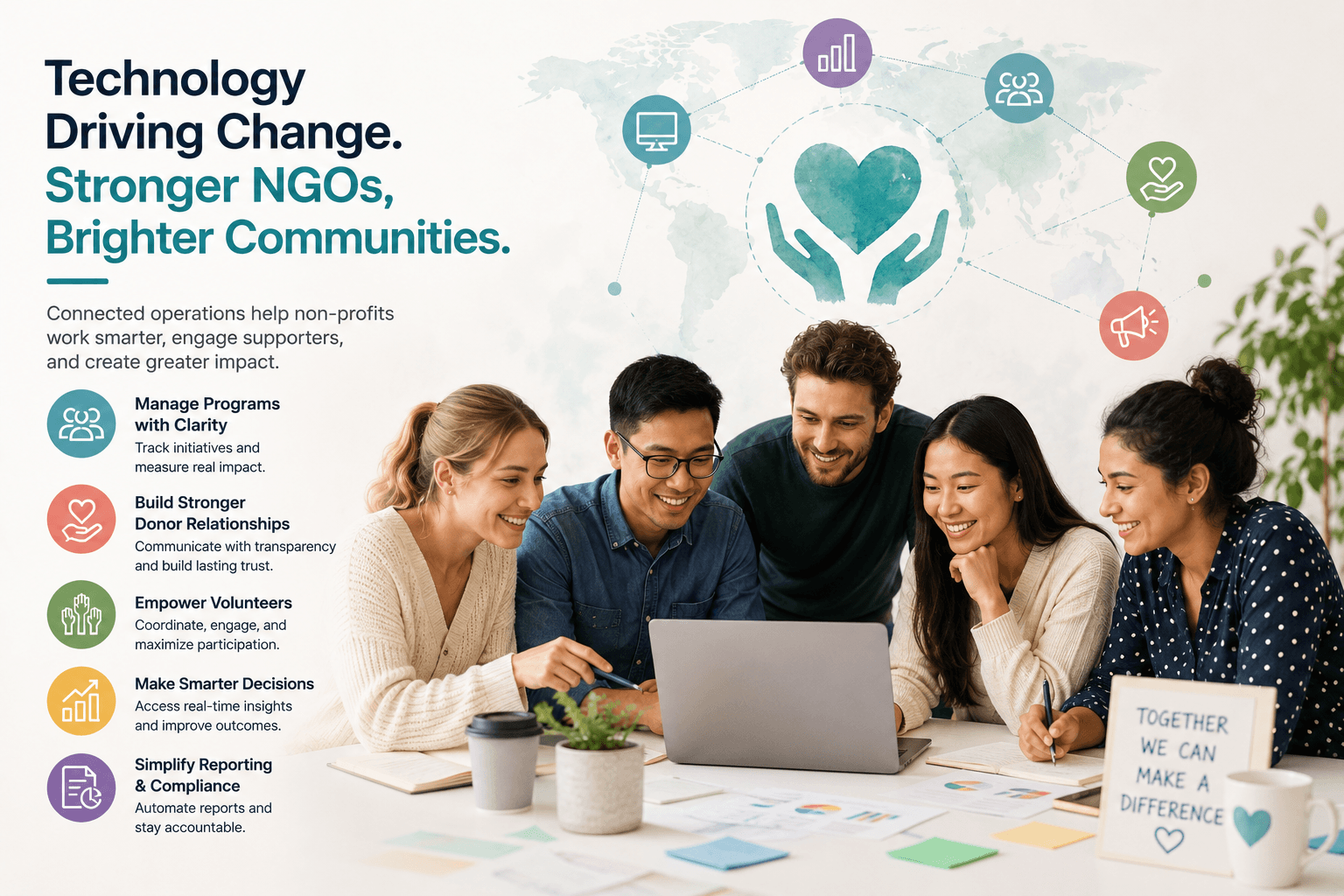
Non-profit organizations manage far more than fundraising campaigns and community programs. They coordinate donors, volunteers, financial reporting, outreach activities, and operational workflows at the same time, often with limited resources and small teams. As organizations grow, maintaining visibility across these moving parts becomes increasingly difficult, especially when systems are disconnected and information is spread across multiple tools.
Many non-profits still rely on separate platforms for donations, volunteer management, communication, and reporting. While each system may handle its own task effectively, they rarely provide a complete operational picture. Teams spend time switching between platforms, verifying information manually, and trying to keep records aligned. This slows down decision making and reduces the organization’s ability to respond quickly to changing needs. Over time, operational gaps begin to affect donor communication, program coordination, and reporting accuracy.
Program Management Becomes Difficult Without Centralized Visibility
Non-profit organizations often manage multiple initiatives at once, including outreach campaigns, educational programs, fundraising events, and community support activities. Each program generates its own schedules, communications, reporting requirements, and operational tasks.
When these activities are managed through disconnected systems, visibility becomes limited. Leadership teams may struggle to understand how resources are being used or whether programs are progressing according to plan. Updates may come through emails, spreadsheets, or separate applications that do not reflect current operational conditions.
This often leads to:
- Delays in tracking program performance
- Difficulty coordinating staff and volunteers across initiatives
- Limited visibility into resource allocation and outcomes
A connected project and operations management system helps organizations manage programs from one centralized environment. Synclo supports this by linking workflows, communication, and operational data so teams can track activities in real time instead of relying on fragmented updates.
Donor Relationships Depend on Consistent Communication
Donor trust is built through transparency and consistent communication. Supporters want to understand how contributions are being used and what impact their support is creating. However, maintaining this communication becomes difficult when donor information is spread across multiple systems.
Many organizations still track donations in one platform while communication histories exist somewhere else. This creates gaps that make outreach inconsistent and reporting harder to manage. Teams may miss follow ups, duplicate communication, or struggle to maintain accurate donor records over time.
A connected CRM and donor management system allows organizations to maintain a complete view of donor activity, communication history, and contribution records in one place. This improves engagement while reducing the manual effort required to maintain relationships.
Reporting Delays Reduce Operational Clarity
Non-profit organizations rely heavily on reporting for donors, leadership teams, and compliance requirements. Accurate reporting is essential for demonstrating transparency and measuring impact.
However, reporting becomes difficult when data is scattered across different systems. Staff often spend significant time compiling spreadsheets, verifying records, and manually preparing reports. By the time reporting is complete, the information may already be outdated.
Organizations are moving toward:
- Centralized operational reporting systems
- Unified donor and program management platforms
- Connected workflow environments for administration and outreach
The goal is to reduce manual coordination and create a clearer operational view across the organization. Synclo supports this by connecting reporting, communication, and operational workflows into one structured system.
Volunteer Coordination Requires Real Time Information
Volunteers are essential to many non-profit operations, but coordinating schedules, responsibilities, and communication becomes difficult without structured systems. Teams need visibility into availability, assignments, and participation across multiple initiatives.
When volunteer coordination depends on manual updates, delays and confusion become common. Staff may not know who is available, tasks may overlap, and communication may become inconsistent.
A connected operational system improves coordination by ensuring that assignments, updates, and schedules remain visible in real time. This allows organizations to manage volunteer activity more efficiently while reducing administrative workload.
Manual Processes Slow Down Community Impact
Many non-profit organizations still rely heavily on manual processes for approvals, updates, outreach coordination, and reporting. While this approach may function for smaller operations, it becomes difficult to manage as programs expand.
Manual workflows slow down communication and reduce operational efficiency. Staff spend more time processing information instead of focusing on community initiatives and program delivery. Even routine administrative work begins to consume valuable operational capacity.
Automation improves efficiency by allowing repetitive processes to move through structured workflows automatically. Teams can automate donor communication, reporting updates, volunteer scheduling, and administrative approvals, reducing delays while improving consistency across operations.
Scaling Non-Profit Operations Requires Structure
As non-profit organizations expand, operational complexity increases quickly. More programs, more stakeholders, and more reporting requirements create additional pressure on coordination and visibility. Without a structured system, maintaining consistency across operations becomes increasingly difficult.
A scalable operational platform helps organizations manage growth without losing visibility or operational control. Teams need systems that support communication, reporting, and program coordination through one connected environment instead of separate tools. Synclo supports this by providing a unified platform where workflows, donor management, and operational reporting work together in a structured way.
When systems are connected, non-profit organizations operate more efficiently. Teams gain better visibility into programs, donor communication becomes more consistent, and reporting becomes easier to manage. This allows organizations to focus less on administrative coordination and more on delivering meaningful community impact. Strong operational structure does not replace mission-driven work. It supports it by removing the inefficiencies that slow organizations down.
