


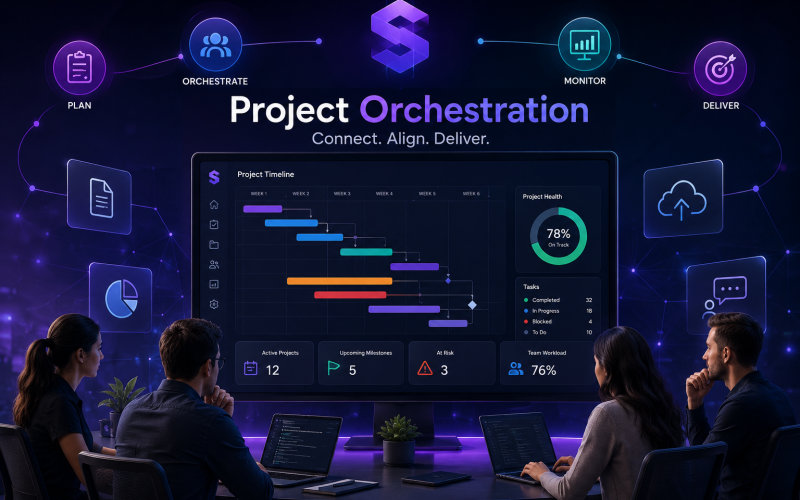



- Projects slow down due to poor coordination, not lack of effort
- Teams struggle when tasks, timelines, and communication are not aligned
- Platforms like Synclo help manage projects through connected workflows
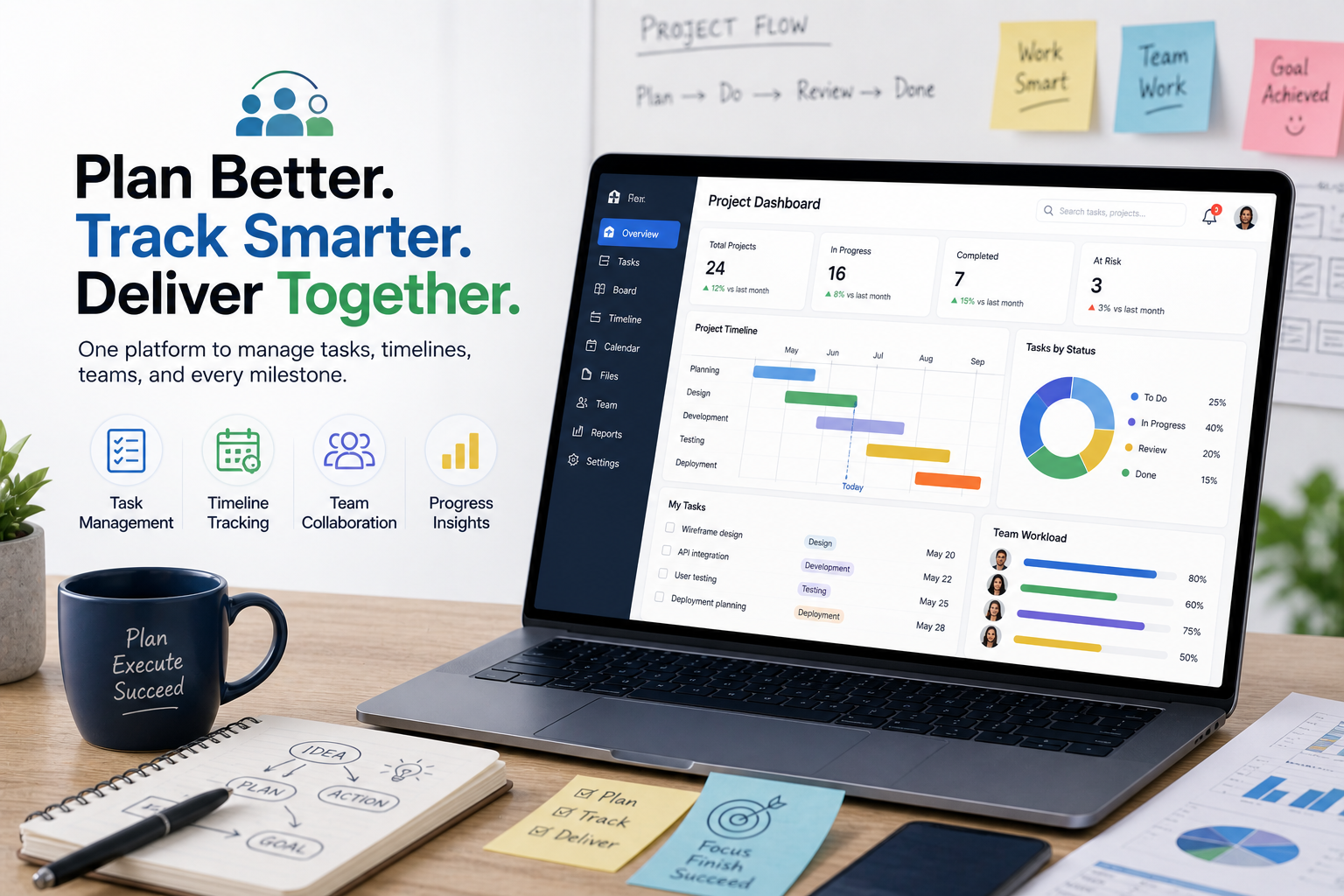
Projects rarely fail because teams lack skill or effort. Most issues come from poor coordination between tasks, timelines, and people. As projects grow, the number of dependencies increases. Different teams handle different parts of the work, yet they often operate without a shared system. This creates gaps in execution.
A task may be completed, but the next team is not aware. A delay in one stage may not be visible to others. Deadlines shift, but updates do not reach everyone in time. Over time, these small gaps build into larger delays that affect the entire project. The problem is not the complexity of projects. It is how that complexity is managed.
Tasks Move, but Progress Is Not Always Clear
In many project environments, work is happening constantly. Tasks are assigned, updates are shared, and milestones are tracked. However, progress is not always visible in a structured way. Teams often rely on separate tools for task tracking, communication, and reporting. This makes it difficult to understand the actual state of the project at any moment.
This often results in:
- Tasks being completed without proper status updates
- Delays going unnoticed until deadlines are missed
- Teams working without a clear view of overall progress
Without visibility, project management becomes reactive instead of controlled.
Coordination Is More Important Than Planning
Planning is important, but execution depends on coordination. Even a well-planned project can fail if teams are not aligned during execution. Coordination requires real time updates, clear ownership, and structured workflows. When these elements are missing, teams spend more time following up than moving forward.
A connected project management software system provides a shared environment where all tasks, updates, and timelines are visible. This allows teams to stay aligned without constant communication. Synclo supports this by bringing task management, communication, and tracking into one system, making coordination easier across teams.
Communication Gaps Slow Down Projects
Communication is one of the biggest challenges in project management. Updates are often shared through messages, emails, or meetings, but they are not always linked to tasks or timelines.
This creates confusion. A team member may miss an update. A change may not be reflected in the system. Decisions may not reach everyone involved. To reduce these gaps, communication needs to be part of the workflow, not separate from it.
With a structured system, teams can:
- Link discussions directly to tasks
- Track updates in real time
- Ensure that changes are visible to all stakeholders
This improves clarity and reduces the need for constant follow ups.
Disconnected Tools Create Execution Delays
Many teams use multiple tools to manage projects. One tool for tasks, another for communication, and a separate system for reporting. While each tool serves a purpose, they do not always work together.
This fragmentation slows down execution. Teams switch between platforms, data is duplicated, and updates are delayed. Over time, this creates friction that affects productivity.
Organizations are moving toward:
- All in one project management systems
- Integrated business platforms
- Centralized workflow tools
The goal is to reduce friction by connecting all aspects of project management. Synclo enables this by combining task tracking, communication, and reporting into a single system.
Managing Dependencies Requires Real Time Data
Projects involve dependencies between tasks. One task cannot start until another is completed. When these dependencies are not tracked properly, delays spread across the project. Real time data is essential for managing these dependencies. When updates happen instantly, teams can adjust their work without waiting for reports or meetings. This keeps the project moving and reduces the impact of delays. A connected system ensures that changes in one task are reflected across the entire workflow. Synclo supports this by linking tasks and timelines in real time, allowing teams to respond quickly.
Scaling Projects Without Losing Control
As projects grow, managing them becomes more complex. More tasks, more teams, and more dependencies increase the need for coordination. Without a structured system, this complexity leads to confusion. Tasks are harder to track, communication becomes inconsistent, and deadlines are missed. A scalable project management system ensures that workflows remain structured as projects expand. It provides a clear framework for managing tasks, timelines, and communication.
Synclo supports this by offering a system that adapts to project growth while maintaining control over execution.
What Controlled Project Execution Looks Like
When systems are connected, projects become easier to manage. Teams know what needs to be done, when it needs to be done, and who is responsible.
Updates are visible, communication is clear, and progress is tracked in real time. Delays are identified early, and adjustments can be made without disrupting the entire project.
Project success is not just about planning. It is about maintaining control during execution. Businesses that improve this control are able to deliver projects more consistently and with fewer delays.
