






Introduction: The Shift Toward Intelligent Logistics
Logistics and supply chain operations are the backbone of global commerce. From procurement and warehousing to transportation and last-mile delivery, these systems ensure that goods move efficiently across regions and markets. However, increasing demand, global disruptions, and rising customer expectations have exposed the limitations of traditional logistics systems.
Artificial intelligence is now reshaping logistics by introducing intelligence, automation, and real-time decision-making into supply chain workflows. This transformation is enabling organizations to improve delivery speed, reduce operational delays, and gain end-to-end visibility across complex logistics networks.
The Growing Complexity of Modern Supply Chains
Modern supply chains operate across multiple geographies, suppliers, and distribution channels. This complexity introduces challenges such as:
- Unpredictable demand fluctuations
- Transportation delays
- Inventory mismanagement
- Lack of real-time coordination
Traditional logistics systems often struggle to handle these variables because they rely on static processes and delayed data updates.
AI addresses these challenges by enabling dynamic, data-driven operations that adapt to changing conditions in real time.
AI-Powered Demand Forecasting and Planning
One of the most impactful applications of AI in logistics is demand forecasting. AI systems analyze historical data, market trends, and external factors to predict demand patterns with high accuracy.
This enables organizations to:
- Optimize inventory levels
- Reduce stockouts and overstocking
- Improve procurement planning
- Enhance supply chain agility
In integrated environments such as Synclo, demand forecasts can be aligned with financial and operational data, enabling more strategic planning across the organization.
Improving Delivery Speed Through Intelligent Routing
Delivery speed is a critical factor in logistics performance. AI-powered routing systems analyze traffic conditions, delivery schedules, and operational constraints to optimize routes in real time.
These systems can:
- Identify the fastest delivery routes
- Adjust routes dynamically based on conditions
- Reduce fuel consumption and operational costs
- Improve last-mile delivery efficiency
When integrated within platforms like Synclo, routing intelligence can be connected with workforce and operational data, ensuring seamless coordination across logistics operations.
Enhancing Operational Visibility and Control
Visibility is one of the most significant challenges in logistics. Without real-time insights, organizations struggle to track shipments, monitor inventory, and respond to disruptions effectively.
AI enhances visibility by:
- Aggregating data from multiple sources
- Providing real-time tracking dashboards
- Identifying anomalies and delays
- Delivering actionable insights
In unified ecosystems like Synclo, logistics data is connected across departments, enabling a comprehensive view of operations and improving decision-making.
Automation in Logistics Workflows
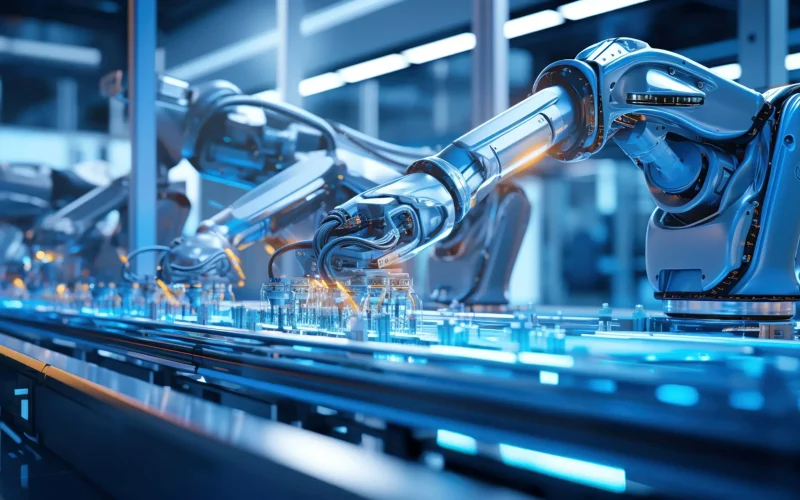
Automation is transforming logistics operations by reducing manual processes and improving efficiency. AI-driven systems automate tasks such as order processing, inventory updates, and shipment tracking.
Key automation capabilities include:
- Automated order management
- Real-time inventory synchronization
- Intelligent shipment tracking
- Workflow-based logistics coordination
This reduces operational overhead while improving accuracy and speed.
Predictive Analytics and Risk Management
AI-powered predictive analytics allows organizations to anticipate disruptions and mitigate risks before they impact operations.
Predictive capabilities include:
- Identifying potential delivery delays
- Forecasting supply chain disruptions
- Detecting anomalies in logistics workflows
- Recommending corrective actions
When integrated within systems like Synclo, predictive insights can be aligned with financial and operational strategies, enabling more resilient supply chains.
Integration Across Logistics Ecosystems
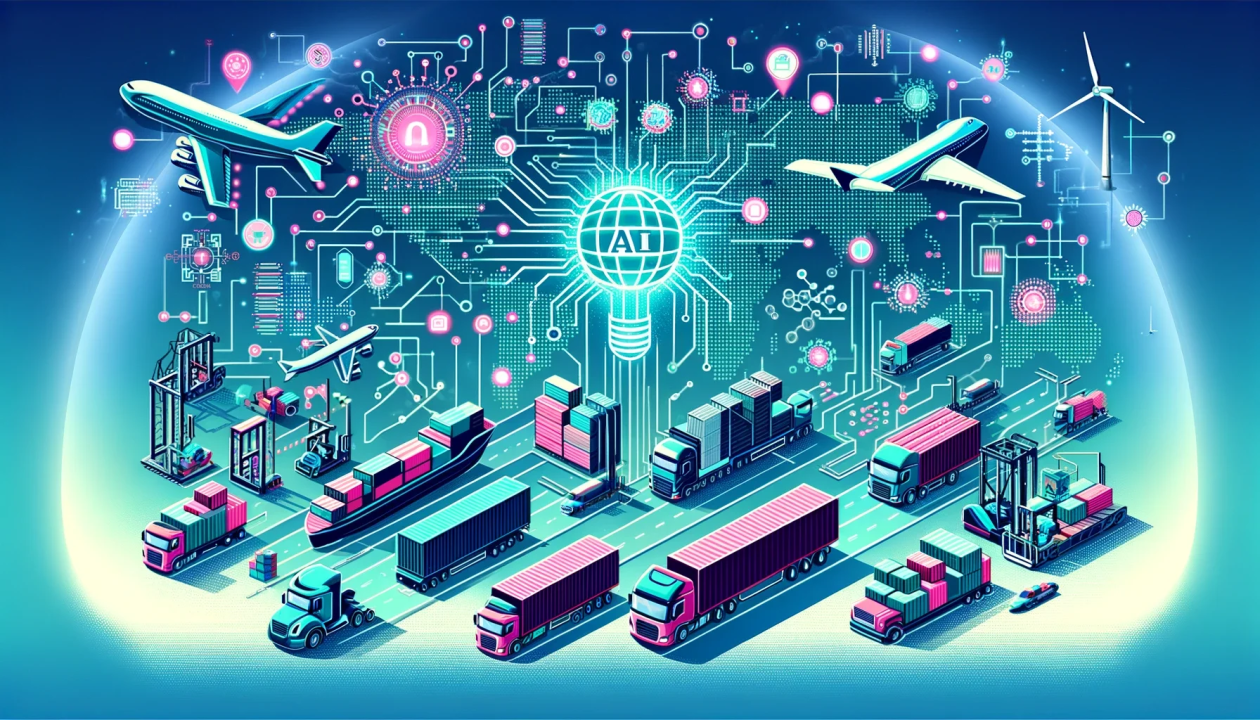
Modern logistics requires seamless integration across procurement, warehousing, transportation, and customer service. AI-powered platforms enable this integration by connecting workflows and data across the entire supply chain.
Platforms like Synclo provide a unified environment where logistics operations can operate cohesively, eliminating silos and improving efficiency.
The Future of AI in Logistics
The future of logistics lies in intelligent, self-optimizing systems that adapt to real-time conditions.
Emerging trends include:
- Autonomous delivery systems
- AI-driven supply chain optimization
- Real-time logistics intelligence
- Integrated digital supply chain ecosystems
These innovations will continue to redefine logistics operations in the coming years.
Conclusion: Toward Intelligent and Resilient Supply Chains
AI is transforming logistics and supply chain operations by improving speed, visibility, and efficiency. Organizations that adopt AI-driven systems will be better positioned to manage complexity, reduce delays, and enhance customer satisfaction.
In connected environments where platforms like Synclo unify logistics, workforce, and operational data, supply chains evolve into intelligent ecosystems capable of adapting to dynamic market conditions.
