


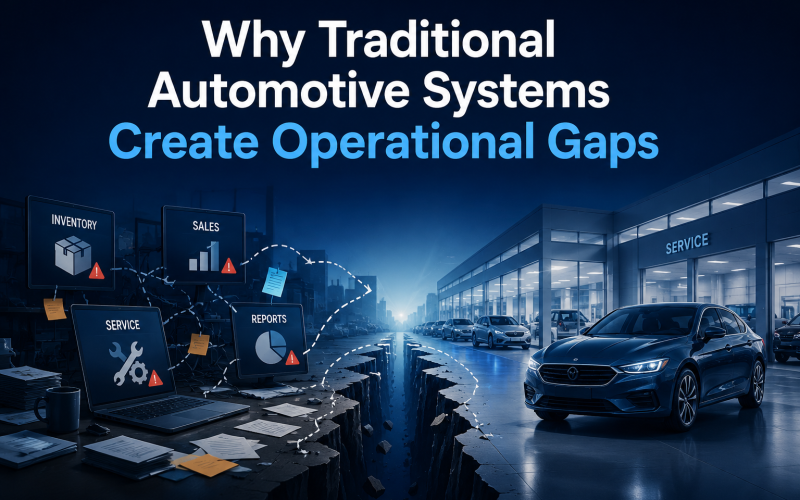

- Restaurant automation works best when it removes administrative work without weakening the guest experience.
- AI can support demand planning, inventory, scheduling, service requests, reporting, and customer follow-up.
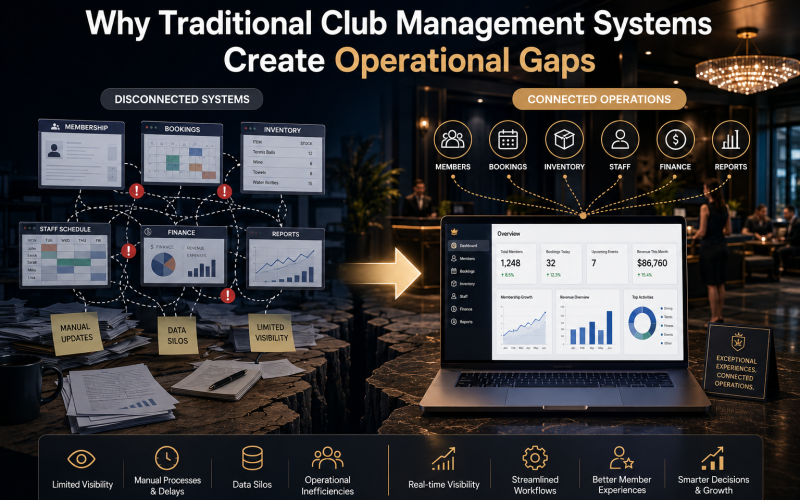
- Connected platforms help managers act from one current view instead of switching between separate tools.
Restaurant automation is often discussed in terms of kiosks, ordering screens, and robots. However, the most useful automation usually happens behind the scenes. It removes repeated administrative work, keeps teams informed, and helps managers respond before small issues affect service.
A restaurant handles dozens of connected activities every day. Reservations affect staffing. Menu demand affects purchasing. Inventory affects order availability. Employee attendance affects shift coverage. Supplier delays affect preparation. Customer feedback affects future visits. When each activity is managed through a separate tool, managers spend too much time collecting updates and correcting gaps.
Automation should not make hospitality feel less personal. It should give employees more time to focus on guests. The best restaurant automation strategies reduce manual steps while keeping managers in control of important decisions.
The following ten strategies provide a practical starting point for restaurants, cafés, food courts, catering businesses, and multi-location hospitality groups.
1. Forecast Demand Before the Shift Begins
Restaurant managers often rely on experience to estimate how busy a shift will be. That knowledge remains valuable, but AI can add more context by reviewing reservation volume, previous sales, day of the week, holidays, local events, weather patterns, and recent customer activity.
A demand forecast can help managers estimate expected orders, covers, and revenue before the shift begins. Therefore, teams can prepare ingredients, schedule staff, and assign work with more confidence.
The system should not make every decision automatically. Instead, it should present a forecast that managers can adjust based on local knowledge. A venue manager may know that a nearby event usually creates late evening demand, even when reservations remain low.
Better forecasts reduce last-minute pressure without removing human judgment.
2. Connect Reservations With Workforce Scheduling
Reservations and staff schedules are often managed separately. The booking system may show a busy evening, while the scheduling tool still reflects a normal shift. Managers then need to compare both systems manually and contact employees when coverage looks weak.
A connected workflow can compare expected guest volume with scheduled staffing. If the system identifies a likely shortage, it can notify the manager before service begins.
Useful alerts may include:
- A high number of bookings with limited service staff
- A large event without enough kitchen coverage
- Several approved absences during a busy period
- Overtime risk within the current schedule
The final staffing decision should remain with the manager. However, automation can identify the problem early enough for the team to respond properly.
3. Create Smarter Reorder Points for Inventory
Fixed reorder levels do not always reflect actual restaurant demand. A product that moves quickly during weekends may remain unused during quieter periods. Seasonal menu changes can also make old reorder rules inaccurate.
AI can review sales history, current stock, expected demand, supplier lead times, open purchase orders, and waste records. It can then recommend updated reorder points for ingredients and supplies.
For example, the system may identify that chicken stock is likely to fall below the amount needed for the next three days. It can notify the purchasing manager and prepare a suggested order quantity.
This process helps restaurants reduce stockouts without buying more than they can use. It also gives procurement teams a clearer reason behind each recommendation.
4. Flag Waste Patterns Instead of Recording Them Only
Many restaurants record waste at the end of a shift but do little with the information afterward. The data remains in a spreadsheet or report and receives attention only when costs increase.
Automation can turn waste records into operational alerts. If one ingredient is repeatedly discarded on specific days, the system can compare preparation levels with actual sales. Managers can then adjust batch sizes, purchasing quantities, or menu planning.
AI may also identify repeated differences between theoretical stock usage and recorded inventory. That does not always mean theft or error. Portion sizes, preparation methods, and unrecorded waste can all affect the result.
The purpose of the alert is to start a review, not make an accusation. Better visibility helps teams address the real cause.
5. Route Maintenance Requests to the Right Team
Equipment issues can quickly affect restaurant service. A refrigeration fault, damaged oven, broken point of sale device, or plumbing issue may interrupt several parts of the operation.
Informal reporting makes these problems harder to manage. Employees often send messages, call a manager, or tell another staff member verbally. As a result, the issue may be acknowledged without being assigned or tracked.
A help desk workflow can create a ticket, set the priority, assign responsibility, and record each update. Automation can route the request based on location, equipment type, urgency, and available maintenance staff.
Managers can then see which issues remain open and how long each one has been waiting. The same record also supports future maintenance planning.
6. Automate Routine Supplier Follow-Ups
Purchasing teams spend significant time checking purchase order status, expected delivery times, missing quantities, and invoice differences. Much of this work follows the same sequence.
A connected system can send routine reminders when a supplier has not confirmed an order. It can also notify the purchasing team when a delivery date changes or when received quantities do not match the purchase order.
However, sensitive supplier discussions should still be handled by employees. Automation is useful for gathering status information and identifying exceptions. It should not replace relationship management or commercial negotiation.
This approach allows procurement teams to focus on the cases that actually need attention.
7. Give Managers a Daily Exception Report
Restaurant managers do not need another large dashboard filled with numbers. They need to know what requires action today.
An automated daily exception report can combine information from sales, staffing, inventory, purchasing, maintenance, and finance. Instead of listing every activity, it should identify only the unusual items.
A useful report may include:
- Stock likely to run out before the next delivery
- Employees who have not confirmed their shifts
- Open maintenance requests affecting service
- Sales below the expected range
- Supplier deliveries that are late
- Unusual voids, discounts, or refunds
This format reduces the time spent searching through separate reports. Managers can begin the day with a clear action list.
8. Personalize Customer Follow-Up Carefully
Customer relationship automation can help restaurants stay connected with guests after a visit. However, too much automation can feel impersonal or intrusive.
Restaurants should use customer data for relevant communication rather than sending the same promotion to everyone. For example, a guest who regularly books family dinners may receive a message about a new family menu. A customer who has not returned for several months may receive a simple invitation instead of repeated discount offers.
Automation can support:
- Reservation confirmations and reminders
- Feedback requests after a visit
- Birthday or membership communication
- Relevant event invitations
- Follow-up after a service complaint
Businesses should also respect communication preferences and privacy requirements. Personalization works best when it is useful, limited, and based on clear customer consent.
9. Review Financial Exceptions Before Closing
Daily restaurant finance involves sales totals, refunds, discounts, cash drawers, delivery platform payments, tips, supplier invoices, and payment settlements. Reviewing each record manually takes time, especially across several locations.
Automation can compare expected and recorded activity before the day is closed. It can flag unusual refunds, missing settlements, large discounts, payment differences, or expenses entered without the correct documentation.
The finance or operations manager can then review the exceptions instead of checking every transaction equally.
This does not remove financial controls. It makes those controls more focused. Teams spend their attention on the transactions most likely to require investigation.
10. Connect Automation Across the Whole Operation
Individual automations provide value, but the larger benefit comes when they work together.
A demand forecast should inform staffing and purchasing. A sales update should change inventory availability. A supplier delay should affect expected stock. A maintenance problem should appear in the manager’s exception report. A customer complaint should connect to the relevant visit and service record.
When these workflows remain separated, teams still need to move information manually between systems. Therefore, restaurants should avoid building a collection of isolated automations that create another layer of complexity.
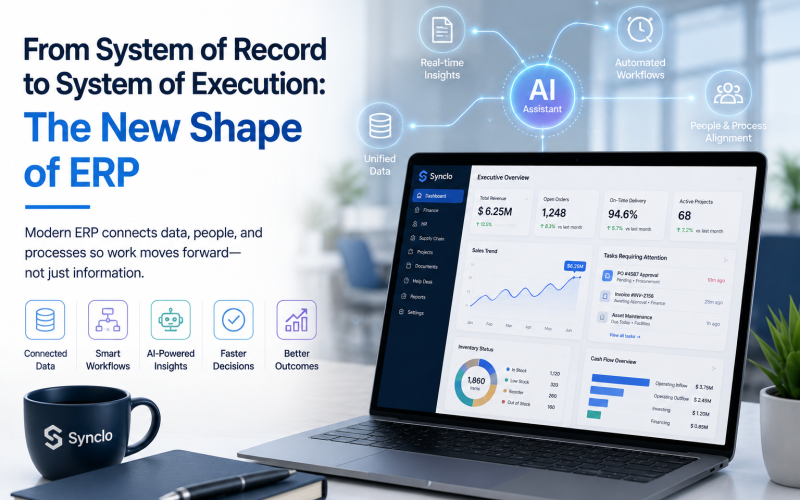
Synclo connects AI, workforce management, finance, supply chain, help desk, customer operations, and reporting in one platform. This allows automation to use current business context rather than information from one department only.
A Practical Way to Start
Restaurants do not need to automate all ten areas at once. The best starting point is usually a repetitive process that already follows clear rules and causes regular delays.
A business may begin with low stock alerts, maintenance tickets, reservation reminders, or daily exception reports. The team can measure whether the automation saves time, reduces errors, and improves response speed. Once the workflow is stable, the same method can be applied elsewhere.
Restaurant automation should make operations easier to manage, not harder to understand. It should reduce repeated administrative work while preserving the human service that guests value.
The strongest results come from systems that give employees better information, clear responsibility, and enough time to focus on the work that requires personal judgment. In hospitality, technology should support the experience. It should never become the experience itself.
