



- Entertainment and leisure businesses manage large volumes of guest interactions, bookings, staff schedules, and service operations every day
- Manual processes often create delays, communication gaps, and inconsistent guest experiences
- AI helps venues improve coordination, operational visibility, and customer engagement across the business
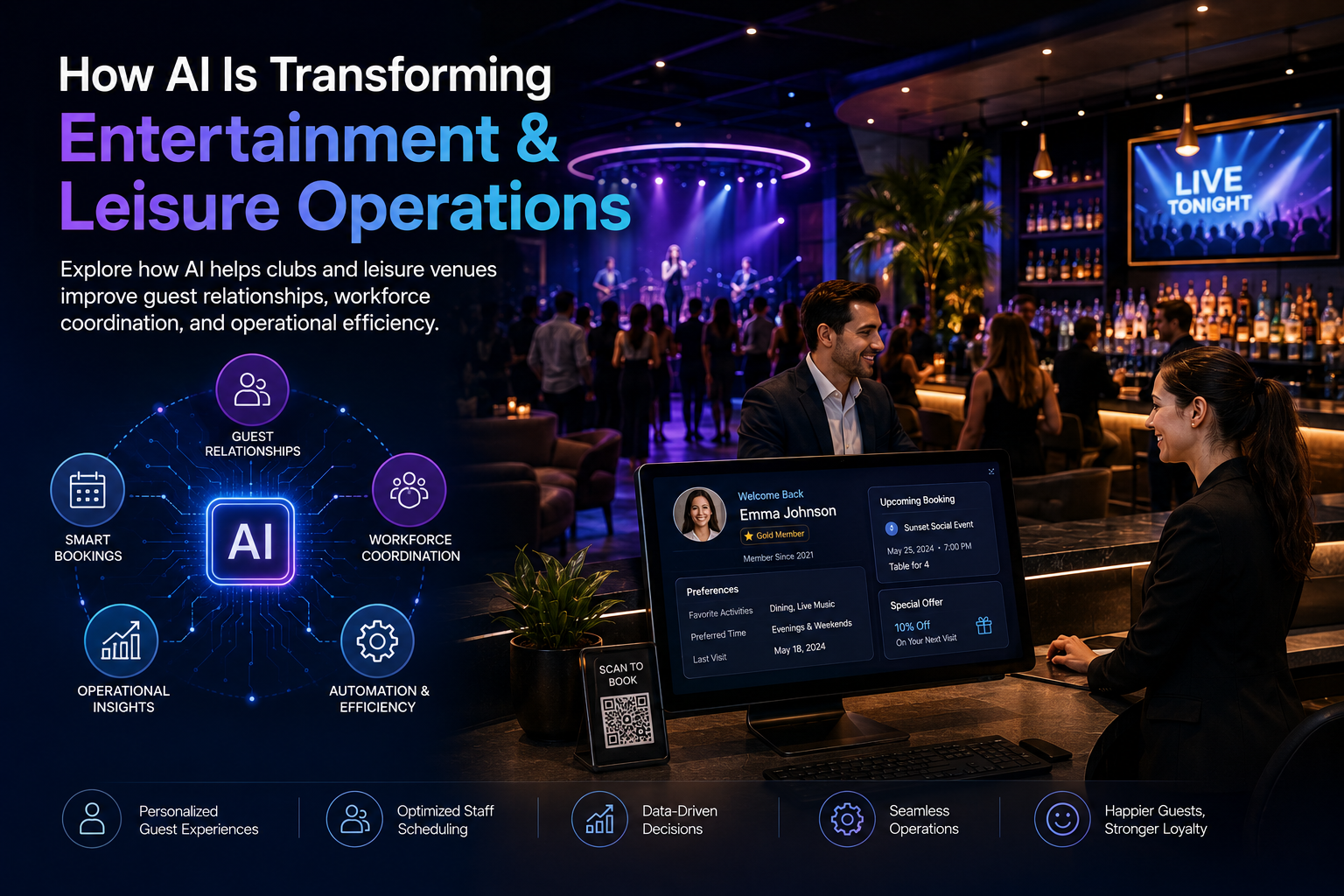
Entertainment and leisure businesses are built around experiences. Whether it is a country club, entertainment venue, family attraction, private club, recreation center, event destination, or leisure facility, success depends on delivering consistent service while managing a complex mix of operations behind the scenes. Guest bookings, memberships, events, staff scheduling, facility management, customer communication, and service requests all need to work together smoothly.
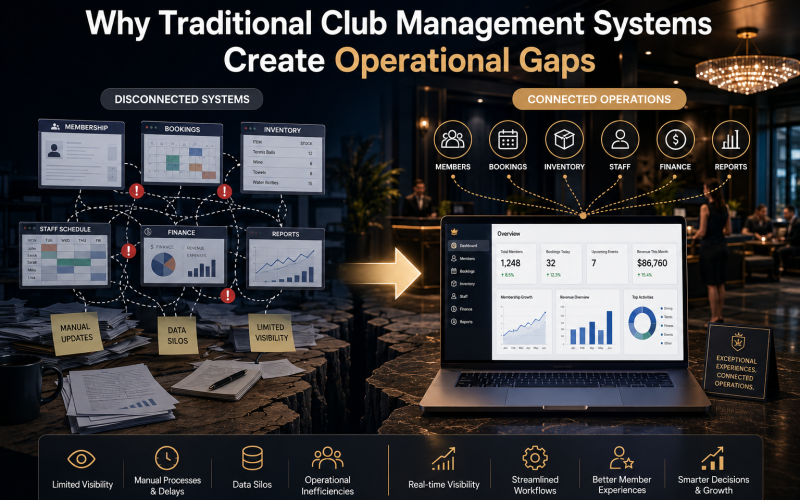
As these businesses grow, managing operations becomes increasingly challenging. Many organizations still rely on separate systems for reservations, customer records, workforce management, event coordination, and reporting. While each tool may serve a specific purpose, they often fail to provide a complete view of the operation. Teams spend valuable time moving information between systems, following up manually, and responding to issues after they occur.
Artificial Intelligence is helping entertainment and leisure businesses operate differently. Instead of relying solely on manual coordination and historical reports, organizations can use AI to improve visibility, anticipate demand, strengthen customer relationships, and support faster decision-making. The goal is not to replace people. It is to help teams spend less time managing administrative work and more time delivering exceptional guest experiences.
Guest Relationships Are Becoming More Data-Driven
Guests expect more personalized experiences than ever before. Members want relevant communication. Event attendees expect timely updates. Returning visitors appreciate businesses that understand their preferences and history.
However, delivering this level of personalization becomes difficult when guest information is spread across multiple systems. A venue may have reservation history in one platform, membership records in another, and customer communications stored somewhere else entirely.
This often leads to:
- Generic communication that feels impersonal
- Missed opportunities to improve guest engagement
- Limited visibility into customer preferences and behavior
AI helps organizations analyze customer interactions and identify patterns that support stronger guest relationships. A connected platform such as Synclo allows businesses to bring guest data together so teams can understand customers more effectively and deliver better experiences.
Workforce Coordination Requires Better Visibility
Entertainment and leisure venues often manage a diverse workforce. Event teams, customer service staff, operations personnel, maintenance teams, instructors, hospitality staff, and administrators all contribute to daily operations.
Coordinating schedules, managing staffing levels, and responding to changing demand can become difficult when workforce information is fragmented. Managers may struggle to anticipate staffing requirements, while employees may experience communication delays that affect service delivery.
AI-supported workforce management helps organizations identify trends in staffing demand and improve scheduling decisions. By analyzing operational activity, businesses can allocate resources more effectively while maintaining service quality.
Events and Activities Generate Valuable Operational Data
Many entertainment and leisure businesses organize recurring events, classes, tournaments, social gatherings, performances, or community activities. Each event generates valuable information about attendance, customer preferences, staffing requirements, and operational performance.
Traditionally, much of this information is reviewed only after events are completed. While historical reporting remains useful, it often limits an organization’s ability to respond while activity is still taking place.
AI helps businesses move beyond retrospective reporting by identifying trends and providing operational insights earlier. This allows managers to make adjustments based on current conditions rather than waiting for post-event analysis.
Modern leisure businesses are increasingly investing in:
- AI-supported guest engagement platforms
- Smart workforce management systems
- Connected operational reporting environments
The objective is to improve decision-making without increasing operational complexity.
Service Requests Can Be Managed More Efficiently
Entertainment venues and clubs receive a steady flow of service requests every day. Members may request facility access, event information, booking changes, maintenance support, or general assistance. Managing these requests manually often creates delays and increases administrative workload.
AI helps streamline service operations by supporting automated routing, faster responses, and improved visibility into request status. Teams gain a clearer understanding of outstanding tasks while guests receive more consistent communication.
A connected operational platform ensures that requests move through structured workflows instead of relying on emails, calls, or manual follow-ups.
Operational Visibility Supports Better Decision-Making
Leisure businesses generate large amounts of operational information, but many organizations struggle to convert that information into useful action. Data may exist across reservation systems, membership platforms, workforce tools, financial applications, and event management software, making it difficult to understand overall business performance.
AI helps organizations identify relationships between different areas of the business. Managers can gain better visibility into attendance trends, membership activity, staffing requirements, event performance, and customer engagement.
This improves planning by helping teams make decisions based on current information rather than assumptions.
Automation Reduces Administrative Work
Many entertainment and leisure organizations still depend on manual processes for bookings, communications, scheduling, reporting, and approvals. While these activities are necessary, they often consume time that could be spent improving guest experiences.
Automation helps reduce administrative workload by allowing routine activities to move through predefined workflows. Notifications, reminders, approvals, membership updates, and operational alerts can happen automatically, reducing delays and improving consistency.
This gives teams more time to focus on customer engagement and business growth rather than repetitive administrative tasks.
The Future of Leisure Operations Is Connected and Intelligent
The entertainment and leisure industry continues to evolve as customer expectations increase and operations become more complex. Businesses need stronger visibility across guests, events, workforce management, facilities, and operational performance.
Artificial Intelligence provides a practical way to manage this complexity. By helping organizations connect data, automate workflows, and improve decision-making, AI supports more responsive and efficient operations.
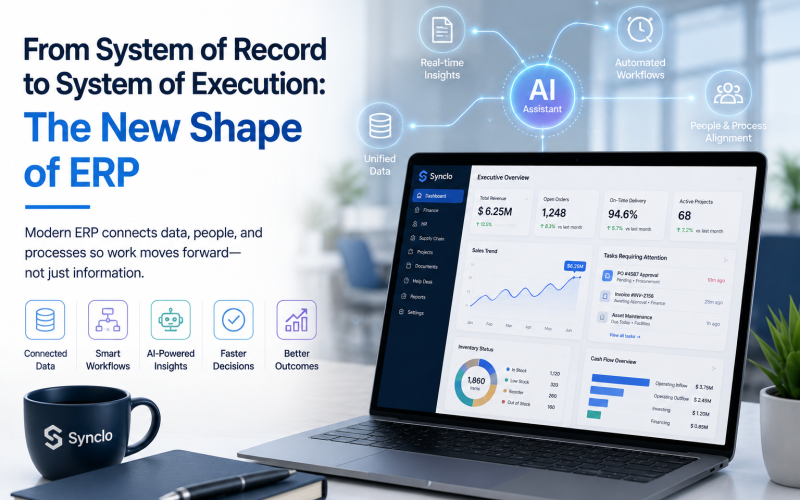
Synclo helps entertainment and leisure businesses bring these capabilities together through a connected operational platform where guest relationships, workforce coordination, events, and daily operations work from a shared environment.
Organizations that successfully combine great experiences with intelligent operations will be better positioned to improve service quality, strengthen customer loyalty, and scale confidently in the years ahead.
